Key Takeaways
- Logistics fleet management aligns vehicles, drivers, routes, data, and compliance so goods move through the supply chain with fewer delays and lower costs.
- Efficient fleet management directly affects fuel management, operational costs, regulatory compliance, driver safety, and customer satisfaction.
- In 2024–2026, real-time visibility, data analytics, GPS tracking, and route optimization are baseline requirements, not premium extras.
- Rugged in-cab hardware, including Kcosit vehicle-mounted tablets, connects drivers, dispatchers, warehouses, and back-office systems in harsh logistics environments.
- Fleet managers can use this framework to improve driver management, reduce environmental impact, and modernize fleet operations step by step.
Logistics companies are under pressure to deliver faster, prove compliance, control costs, and provide better shipment visibility. This guide explains the fleet management process from vehicles and drivers to software, telematics, rugged hardware, and future trends.

What Is Logistics Fleet Management?
Logistics fleet management is the process of tracking, coordinating, and optimizing a company’s commercial vehicles and drivers. In practical terms, logistics fleet management coordinates trucks, vans, trailers, drivers, and routes to move goods efficiently across the supply chain.
It covers dispatching, route planning, scheduling deliveries, maintenance scheduling, fuel management, compliance handling, vehicle tracking, and communication with drivers. It sits between transportation fleet management and broader supply chain planning, linking warehouses, hubs, cross-docks, raw materials flows, inventory management, and final delivery operations.
Example: a North American regional distributor operating 150 trucks must plan routes, assign drivers, monitor vehicle location, manage delivery windows, inspect vehicles, and ensure each vehicle’s status is visible to dispatch. The objective is simple: reduce costs, improve real-time visibility, maintain compliance, and protect on-time delivery.
Why Logistics Fleet Management Matters for the Modern Supply Chain
Since 2020, e-commerce growth, tighter customer expectations, driver shortages, emissions rules, and volatile fuel costs have made efficient fleet management a core capability. Fleet management directly impacts supply chain efficiency by eliminating delivery bottlenecks, reducing transit costs, and enabling real-time shipment visibility.
Fleet performance affects OTIF, order cycle time, perfect order index, cost per mile, and customer satisfaction. Fuel, maintenance, and driver-related expenses can represent more than half of transport operational costs. In one fleet example, driver coaching and route improvements reduced fuel consumption by 22%, saving more than $400,000 per year.
Effective logistics fleet management can significantly enhance operational efficiency by ensuring that the right products reach the right location at the right time, which is crucial for maintaining customer satisfaction. Reliable fleets enable accurate ETAs, fewer “where is my order?” calls, and enhanced customer service during disruptions such as storms, port congestion, or urgent pickup changes.
Core Components of Efficient Fleet Management
The key components of efficient fleet management are vehicles, drivers, routes, fuel, maintenance, compliance, and data. Fleet managers need integrated management tools, not isolated spreadsheets, paper logs, or manual data entry. Centralizing operations through robust platforms is key to optimizing logistics fleet management.
Vehicle Lifecycle and Asset Strategy
A logistics fleet should be planned from acquisition to remarketing. Vehicle choices depend on GVWR, cargo volume, duty cycle, engine technology, route profile, and whether diesel, hybrid, or electric vehicles make sense, as well as the right mix of rugged high-performance devices for harsh transport environments.
Track loaded miles versus empty miles, daily engine hours, idle time, and utilization. Maximizing cargo space using advanced load-building techniques improves capacity utilization. Mounting telematics and rugged tablets early in the vehicle lifecycle simplifies vehicle performance history, compliance records, and maintenance needs.
Driver Management and Safety Culture
Driver management includes recruiting, onboarding, training, managing drivers, scheduling, coaching, and retention. Telematics devices can provide insights into driver behavior, such as hard braking and acceleration patterns, which can help improve safety and reduce maintenance costs.
Fleet managers should monitor speeding, idling, harsh braking, route adherence, and fatigue risk. Use coaching and safety KPIs rather than only penalties. Clear routes, digital job tickets, and two-way messaging on rugged tablets for fleet management reduce confusion and improve driver safety.
Fuel Management and Cost Control
Fuel management is a major lever for cost control and environmental impact. Fuel management tools, fuel cards, telematics, and dashboards help track fuel usage, fuel use per stop, fuel theft, idling, and inefficient routes.
Reducing fuel consumption usually comes from better route planning, less fuel wasted in idling, improved driver behavior, tire checks, and speed control. Effective maintenance management improves fuel efficiency by more than 10%, leading to significant cost savings.
Maintenance, Uptime, and Asset Health
Preventive maintenance and predictive analytics reduce unexpected breakdowns. Regular servicing and timely repairs can prevent breakdowns, which are costly and can disrupt operations. A well-maintained fleet minimizes downtime and can lower accident-related costs by up to 15%.
Maintenance planning should use mileage, engine hours, engine health, fault codes, and telematics data. Electronic vehicle inspections on rugged tablets let drivers capture defects, photos, and notes before small issues become roadside failures.
Regulatory Compliance and Risk Management
Regulatory compliance includes hours-of-service, ELD or tachograph records, emissions, inspections, permits, insurance, and safety procedures. Digital tracking systems help fleets maintain compliance by automating the logging of hours, storing reports, and flagging any discrepancies, which aids in adhering to regulations such as the FMCSA’s 11-hour rule.
Regular maintenance and inspections are crucial for compliance and safety, as they help prevent accidents and ensure vehicles are roadworthy, which can lower accident-related costs by up to 15%. Staying compliant with regulations not only helps prevent legal issues and financial penalties but also enhances client trust and strengthens a company’s reputation in the industry.
Real Time Visibility, Data, and Analytics
Telematics leverages GPS technology and onboard diagnostics to monitor the location, movement, and performance of fleet vehicles in real time. The integration of telematics and GPS tracking systems allows for real-time visibility and control over fleet operations, enhancing decision-making and operational efficiency.
Leveraging real-time data analytics helps identify operational bottlenecks and areas for cost reduction. Data analytics in fleet management enables organizations to shift from reactive decision-making to proactive strategies by identifying trends and anomalies early, which helps in resource allocation and cost reduction.
Integrating data analytics with fleet management systems allows businesses to centralize access to data streams across departments, enhancing performance optimization and decision-making. Effective data analytics can help fleet managers track key performance indicators (KPIs) such as fuel consumption, maintenance expenses, and operational costs, leading to improved efficiency and cost savings.
Route Optimization and Route Planning for Logistics Fleets
Route optimization is central to efficient fleet management, especially for last-mile delivery and multi-stop distribution. Effective route optimization can reduce fuel consumption and operational costs significantly, as the last mile accounts for nearly 50% of total delivery costs.
From Simple GPS Navigation to Intelligent Routing
Basic GPS navigation guides one driver. Route planning software optimizes many vehicles, stops, priorities, driver hours, vehicle capacity, road restrictions, and delivery windows. Planning the most efficient paths for fleet vehicles is essential for minimizing travel time, fuel consumption, and operational costs, which can be achieved through advanced route optimization software.
AI-driven route optimization software factors in live traffic, weather, and delivery windows. It can plan routes that reduce empty miles, balance workloads, and improve asset utilization. Real-time dynamic routing allows fleet managers to utilize real-time insights and data, taking into account factors such as traffic conditions and delivery windows to enhance efficiency.
Real Time Adjustments and Exception Management
Real-time visibility into fleet operations enables faster decision-making, reduces waiting times, and minimizes the need for constant communication to check on vehicle status. Automating dispatching and fleet alerts allows immediate response to dynamic variables like traffic or new pickup requests.
Dispatchers can reroute a driver, swap stops, or assign the nearest truck while keeping safety, compliance, customer commitments, and cost optimization in order. Updated job lists on rugged tablets keep drivers aligned without phone-heavy workflows.
Technology Backbone: Hardware and Software in Fleet Management
Modern fleet management work depends on fleet management software, telematics devices, mobile apps, rugged tablets, and integrations. Implementing fleet management software can significantly enhance operational efficiency by integrating various functions such as maintenance scheduling, expense tracking, and compliance management into a single platform.
Fleet management software allows for real-time data access, which helps fleet managers make informed decisions quickly, improving overall fleet performance and reducing downtime. Using fleet management software can streamline the process of tracking expenses, enabling fleet managers to maintain a comprehensive view of all costs associated with fleet operations, which is crucial for effective budgeting.
Fleet Management Platforms and Telematics Systems
Fleet management platforms support dispatch, maps, alerts, route optimization, custom reports, KPI dashboards, fuel management, and integrations with TMS, WMS, ERP, HR, and finance systems. A telematics provider supplies vehicle data such as GPS position, engine faults, odometer readings, fuel usage, and driver events.
Open APIs matter because integration between logistics and fleet functions can produce results that show how fleet managers reduce costs and improve efficiency across the supply chain. When logistics and fleet management collaborate using shared platforms, performance metrics, and real-time data, the result is a more agile, responsive, and cost-efficient supply chain.
Rugged Tablets and Vehicle-Mounted Computers
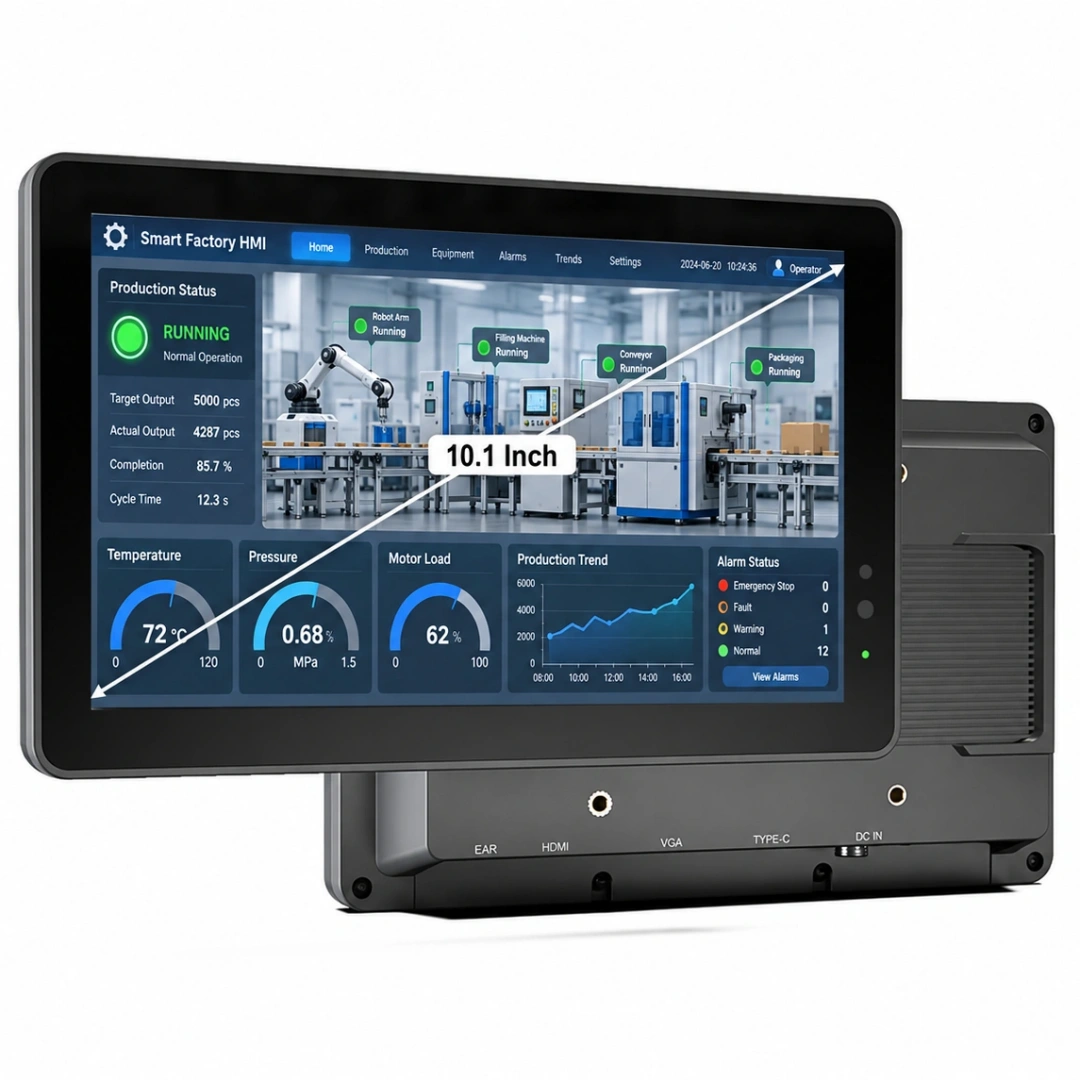
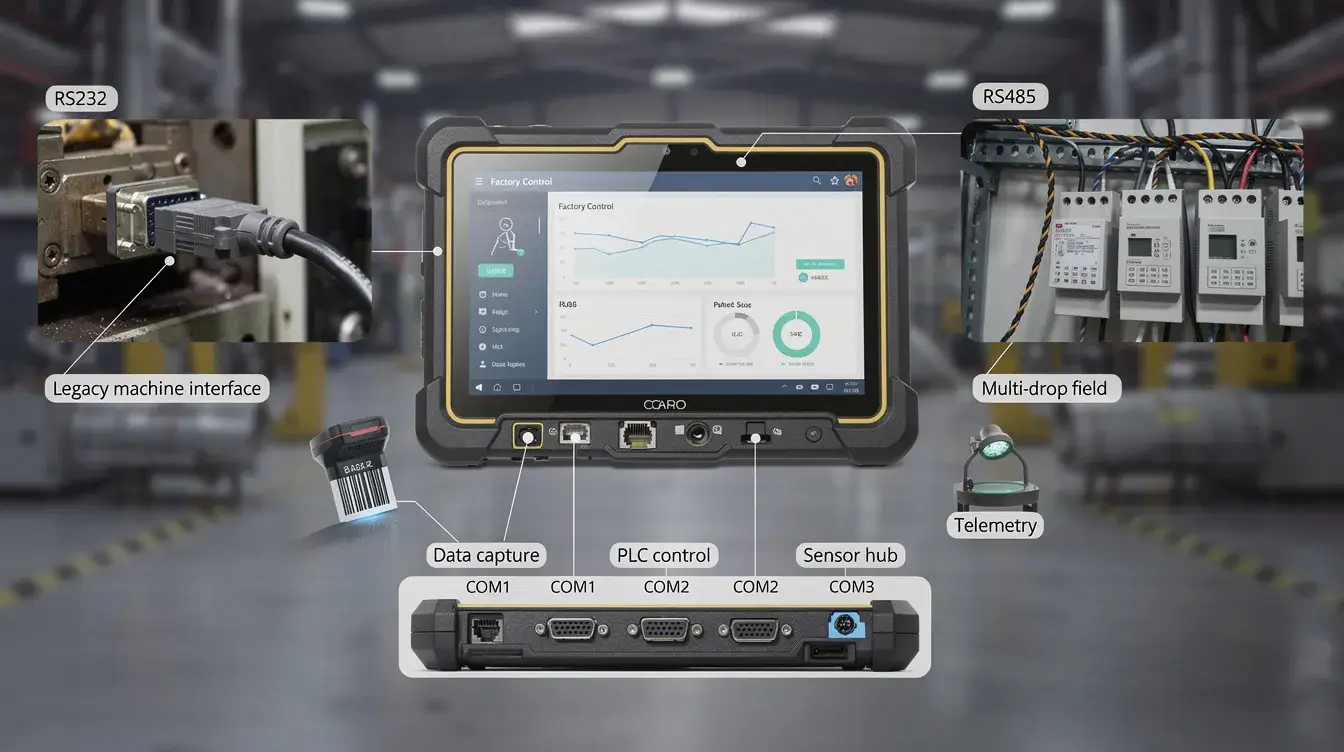
Rugged tablets are purpose-built for logistics operations, unlike consumer devices that struggle with vibration, dust, outdoor light, and temperature shifts. Kcosit provides rugged Android tablets, rugged Windows tablets, vehicle-mounted tablets, industrial handhelds, barcode scanning tablets, UHF RFID devices, NFC-enabled tablets, and GNSS/RTK rugged tablets for B2B deployments.
Typical workflows include route display, barcode scanning, electronic signatures, proof of delivery, vehicle inspections, driver messaging, and exception reporting. Optional modules such as barcode, RFID, NFC, and high-accuracy GNSS help logistics teams connect warehouse, yard, and road data.
Connectivity, Mounting, and Power Considerations
Secure vehicle mounting is a critical component for safety and reliability. Look for locking docks, vibration-resistant mounts, quick release, wide-voltage vehicle power, ignition sensing, 4G/5G, Wi-Fi, Bluetooth, and external GNSS support.
Kcosit vehicle-mounted Android and Windows tablets can be configured for trucks, forklifts, yard tractors, cold chain, public service fleets, and even construction companies moving equipment and materials between sites.

Reducing Operational Costs While Improving Service
Fleet managers reduce costs by working on fuel, mileage, maintenance, labor, administration, and communication. The best cost savings usually come from consistent measurement, not one-off cuts.
Fuel and Mileage Cost Optimization
Combine route optimization, anti-idling rules, driver coaching, fuel card checks, and alerts for abnormal fuel consumption. Track fuel per kilometer, fuel per stop, idle minutes, and route variance. Better driving and fewer miles mean less fuel, lower emissions, and improved performance.
Maintenance, Downtime, and Asset Utilization
Preventive maintenance, predictive diagnostics, and electronic inspections reduce downtime. Track trips per day, hours in motion versus idle, time in workshop, and utilization by vehicle class. Better asset utilization can delay unnecessary vehicle purchases.
Labor, Administration, and Communication Efficiencies
Digital workflows replace paper manifests, paper logs, phone-based dispatch, and manual data entry. Automated job assignment, two-way messaging, and real-time status updates reduce office-driver calls and support payroll accuracy.
Customer Satisfaction, Visibility, and Environmental Impact
Efficient fleet management supports customer satisfaction by improving transparency, reliability, and delivery accuracy. Real-time tracking enhances transparency and customer satisfaction by providing live updates on delivery status, which reduces uncertainty for customers.
Real Time Visibility for Shippers and End Customers
Real-time tracking systems allow logistics teams to dynamically adjust delivery windows and notify customers about changes in arrival times, improving overall service quality. Typical milestones include picked up, out for delivery, at stop, delivered, and proof-of-delivery captured.
Electronic proof of delivery with signatures, photos, barcodes, or RFID reduces disputes and speeds invoicing.
Sustainability and Green Fleet Strategies
Route optimization, fuel management, well-maintained engines, paperless workflows, and electric vehicles reduce environmental impact. Common sustainability KPIs include CO2 per package or ton-kilometer. Rugged tablets designed for transportation and logistics with longer lifecycles also reduce hardware waste compared with frequent consumer tablet replacement.
How Kcosit Rugged Tablets Support Logistics Fleet Management
Kcosit focuses on rugged Android and Windows tablets, vehicle-mounted computers, rugged handheld PDAs, docking stations, and customized industrial computing hardware for transport, logistics, and other industry-specific rugged tablet solutions.
In-Cab Operations and Driver Workflows
Kcosit in-cab tablets can display routes, job lists, electronic logs, inspection forms, messages, navigation, and proof-of-delivery apps. Sunlight-readable displays, glove-friendly touch, secure mounting, and vehicle power support long driving days.
Warehouse, Yard, and Cross-Dock Operations
Kcosit rugged tablets and handheld PDAs can support pallet scanning, trailer location checks, load sequence confirmation, yard moves, and WMS or TMS updates. Rugged warehouse management tablets with barcode, UHF RFID, NFC, and GNSS options help identify goods, containers, and assets accurately.
Project Support, Customization, and Lifecycle Management
Logistics projects often require tailored I/O, mounts, docks, accessories, OS images, and regional connectivity. Kcosit works with system integrators, resellers, OEM/ODM buyers, IT teams, and enterprise procurement teams on customization, lifecycle stability, and deployment support.

Future Trends in Logistics Fleet Management (2024–2026)
Logistics fleet management is moving toward more automation, deeper data integration, and greener vehicles. Fleet managers should build strong data and process foundations before chasing advanced tools.
AI, Automation, and Predictive Capabilities
AI can support route optimization, maintenance scheduling, anomaly detection, demand forecasting, and exception handling. Predictive analytics can flag component wear from engine patterns before failure. Human dispatchers still matter; AI should augment decisions, not replace field experience.
Electrification and Alternative Powertrains
Electric vehicles are growing in city logistics and regional delivery, where range, depot charging, and payload fit the route. Fleet management systems must include state of charge, charging time, battery health, and charge scheduling in route planning, especially in data-heavy environments such as automotive fleet and supply chain management.
Deeper Integration Across the Supply Chain
Fleets increasingly share real-time data with shippers, retailers, 3PLs, customers, and other stakeholders involved. API connections between fleet systems, TMS, WMS, ERP, finance, and customer portals create an end-to-end view of orders and shipments that extends even to specialized environments such as marine fleet and navigation operations.
FAQ: Logistics Fleet Management
How should a logistics company start improving its fleet management if it is currently using paper and spreadsheets?
Start with a baseline: fleet size, routes, fuel costs, maintenance costs, on-time delivery rate, accident rate, and current paperwork volume. Pilot fleet management solutions, telematics, GPS tracking, and rugged tablets on 10–20 vehicles before scaling.
What should fleet managers look for when choosing rugged tablets for logistics operations?
Look for IP-rated protection, MIL-STD-style shock and vibration resistance, sunlight-readable displays, reliable touch input, Android or Windows compatibility, secure vehicle mounts, wide-voltage power, ignition control, and options such as barcode, RFID, NFC, and GNSS/RTK.
How can logistics fleets measure ROI from new fleet management technologies?
Measure before-and-after KPIs: cost per mile, fuel consumption, idle time, missed deliveries, accident rate, maintenance expenses, dispatcher time, and customer complaints. Compare improvements against hardware, software, connectivity, training, and support costs.
What integration points matter most between fleet management systems and other logistics software?
Prioritize TMS, WMS, ERP, finance, HR, inventory management, customer portals, and mobile apps. The most valuable integrations remove duplicate entries and automate orders, routes, proof of delivery, expenses, driver hours, and vehicle status updates.
How does logistics fleet management differ for international operations?
International fleets must handle customs, cross-border rules, driver regulations, roaming connectivity, multiple languages, currencies, ferry or port links, and regional device certifications. Rugged tablets with configurable software help standardize workflows while supporting local requirements.